

3D Laser Cutters
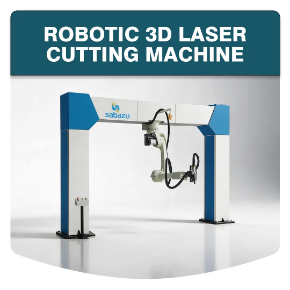
The SABAZU 3D Robotic Laser Cutting Machine is an advanced solution for processing complex three-dimensional metal components that require flexibility, multi-angle access, and precise contour cutting. By combining a high-performance fiber laser system with an industrial robotic arm and multi-axis motion control, SABAZU enables the laser cutting head to follow complicated three-dimensional paths and reach surfaces that are difficult to process with conventional flatbed laser machines.
The system is particularly suitable for curved, formed, stamped, hydroformed, tubular, and irregular metal components, where conventional two-dimensional cutting systems may require additional positioning, fixtures, trimming, drilling, or secondary operations. Robotic 3D laser systems are designed specifically to provide flexible cutting from multiple directions and orientations.
Advanced Industrial Robot Integration
At the heart of the SABAZU system is an industrial multi-axis robot that provides a wide range of movement around the workpiece. The robotic arm coordinates the position and orientation of the laser cutting head, allowing it to approach the component from different angles.
This flexibility is particularly valuable when processing parts with:
- Complex contours
- Curved surfaces
- Deep or difficult-to-reach areas
- Angled edges
- Irregular profiles
- Formed and stamped components
- Tubes and structural profiles
- Three-dimensional openings and cut-outs
The combination of robotic motion and laser processing allows the cutting path to be adapted to the actual geometry of the component rather than restricting the process to a flat working plane.
Multi-Axis Linkage for Complex 3D Cutting
SABAZU's multi-axis configuration enables coordinated movement between the robot, laser head, and workpiece-positioning system, depending on the selected machine configuration.
Multi-axis interpolation allows the cutting head to continuously adjust its position and orientation while following a programmed 3D contour. This makes it possible to process complex angles, slopes, curved edges, holes, and profiles in a controlled cutting sequence.
For suitable applications, multi-axis processing can reduce the need for repeated clamping and repositioning of the workpiece, helping streamline the production process.
High-Speed Fiber Laser Cutting
The SABAZU system combines robotic flexibility with the advantages of fiber laser technology, providing a concentrated cutting beam for fast and precise metal processing.
Laser cutting is a non-contact process, so the cutting head does not mechanically contact the workpiece during cutting. This can help minimize mechanical deformation and eliminate conventional tool wear associated with contact-based cutting processes.
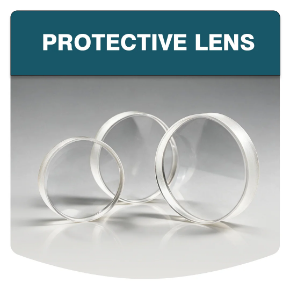
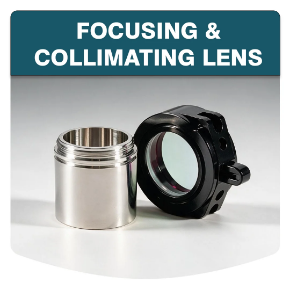
The combination of laser power, optimized cutting parameters, robotic motion, and suitable laser optics allows manufacturers to achieve efficient processing while maintaining consistent cut quality.
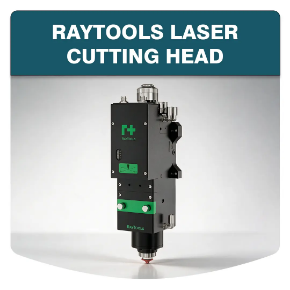
Actual cutting speed and material thickness depend on factors such as laser power, material type, material thickness, geometry, assist gas, cutting head, and machine configuration.
Precision for Detailed 3D Components
Complex three-dimensional parts often require accurate control of the laser head's position and orientation. SABAZU's robotic cutting configuration is designed to maintain a controlled cutting path across changing surfaces and angles.
This makes the system suitable for applications requiring:
- Accurate contour trimming
- Precision holes and openings
- Complex edge profiles
- Multi-angle cutting
- Repeatable component processing
- Detailed three-dimensional geometries
Modern robotic laser systems can also combine robotic motion with calibration and offline programming technologies to improve consistency between the programmed 3D model and the physical component.
Flexible Processing of Complex Workpieces
Unlike conventional flatbed systems that are primarily optimized for flat sheets, a robotic 3D laser cutting system can be configured to work with a much broader range of component geometries.
Depending on the machine configuration, SABAZU systems can be used for:
Curved Components:
Processing formed and curved metal parts with changing surface orientations.
Automotive Components:
Trimming, hole cutting, and profiling of formed or stamped components.
Tubes & Profiles:
Processing special-shaped tubes, structural profiles, and three-dimensional sections.
Industrial Components:
Cutting complex machine parts, fabricated structures, and customized components.
Architectural Components:
Processing selected curved or irregular metal structures and profiles.
Robotic 3D laser systems are widely used for automotive, aerospace, machinery, construction equipment, and other applications involving complex geometries.
Reduced Secondary Processing
Accurate laser cutting can help reduce the need for additional mechanical trimming, drilling, punching, or finishing operations when the application and component design are suitable.
A properly configured 3D laser system can perform multiple cutting operations during a single programmed cycle, potentially reducing:
- Workpiece handling
- Repeated clamping
- Manual trimming
- Tool changes
- Secondary machining
- Production setup time
The actual reduction in secondary processing depends on the component geometry, tolerances, production method, and required finished quality.
Intelligent Programming & 3D CAD Integration
For complex components, programming can be based on 3D CAD geometry and dedicated robotic programming software. Advanced systems may support offline programming, path generation, reachability analysis, collision checking, and simulation before production.
This approach allows manufacturers to prepare and verify complex cutting paths before placing the robot into production, helping reduce setup and programming time for suitable applications.
Flexible Production & Automation
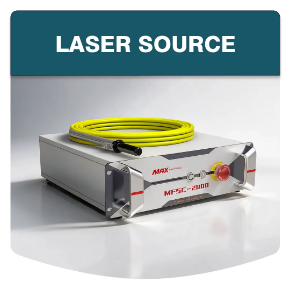
The SABAZU 3D robotic laser platform can be configured according to the requirements of the application. Depending on the project, the system can incorporate suitable fixtures, rotary positioners, workpiece handling, safety enclosures, laser sources, and automation interfaces.
This makes the platform suitable for both standalone production cells and automated manufacturing environments.
Key Advantages
- 3D multi-axis laser cutting for complex geometries
- Industrial robot integration for flexible movement
- Multi-angle and multi-directional processing
- High-speed fiber laser technology
- Precise contour and profile cutting
- Suitable for curved and formed components
- Flexible processing of tubes and irregular profiles
- Reduced workpiece repositioning for suitable applications
- Potential reduction in secondary machining
- 3D CAD and offline programming compatibility depending on configuration
- Automation-ready architecture
- Customizable according to component and production requirements
Applications
SABAZU 3D Robotic Laser Cutting Machines are suitable for applications such as:
- Automotive body and structural components
- Hot-stamped and formed parts
- Hydroformed components
- Curved sheet-metal components
- Tubes and special profiles
- Machinery components
- Construction equipment parts
- Aerospace components
- Industrial enclosures and structures
- Customized metal components
- Complex trimming and profiling
- Three-dimensional holes and openings
SABAZU – Flexible 3D Laser Processing
With the combination of fiber laser technology, industrial robotics, multi-axis motion, intelligent control, and flexible workpiece handling, SABAZU provides a versatile platform for manufacturers working with complex three-dimensional metal components.
Instead of limiting production to conventional flat cutting, the system is engineered to follow the geometry of the component and perform controlled cutting from multiple directions. This combination of speed, precision, flexibility, and automation makes SABAZU 3D robotic laser technology suitable for demanding modern manufacturing applications.


